solar energy and the next phase of algeria europe cooperation
**Algeria** is transitioning its energy partnership with the **European Union** from a traditional hydrocarbon-based relationship to a broader cooperation model centered on **renewable energy**, **green hydrogen**, and **grid interconnections**. This shift is driven by Algeria’s goal to diversify its economy and maintain its geopolitical relevance as Europe seeks to decarbonize and secure stable energy supplies.
### Renewable Energy Expansion
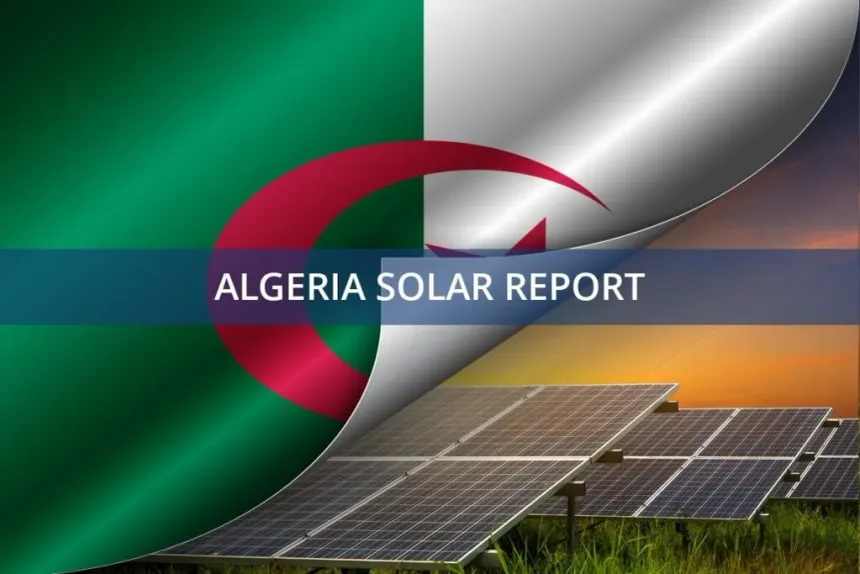
Algeria aims to install **15,000 MW** of renewable energy capacity by **2035**, with a first phase of **3,200 MW** already underway. The country leverages its status as having the world’s highest **concentrated solar power (CSP)** potential and significant photovoltaic (PV) resources to meet domestic demand and prepare for exports. Key initiatives include the development of **60+ solar and wind plants** and partnerships with Germany and other EU nations for technology transfer and investment.
### Green Hydrogen and Infrastructure
A central pillar of the new cooperation is the **SoutH2 Corridor**, a flagship project to transport **green hydrogen** from North Africa to Europe. Algeria positions itself as a potential **Mediterranean hydrogen hub**, utilizing its abundant solar and wind resources to produce low-cost hydrogen for export. This strategy is supported by the **EU-Algeria Energy Dialogue**, which has strengthened frameworks for joint projects, regulatory coordination, and the development of necessary export infrastructure.
### Electricity Interconnections
To facilitate the export of dispatchable solar electricity, Algeria and the EU are prioritizing **cross-border electricity interconnections**. Specific projects, such as the **Medlink** initiative supported by Italy, aim to transmit renewable energy via undersea cables to European markets like **Tuscany, Liguria, Austria, and Germany**. These infrastructure investments are designed to enhance regional energy security, reduce Europe’s reliance on fossil fuels, and create significant economic benefits and jobs in North Africa.